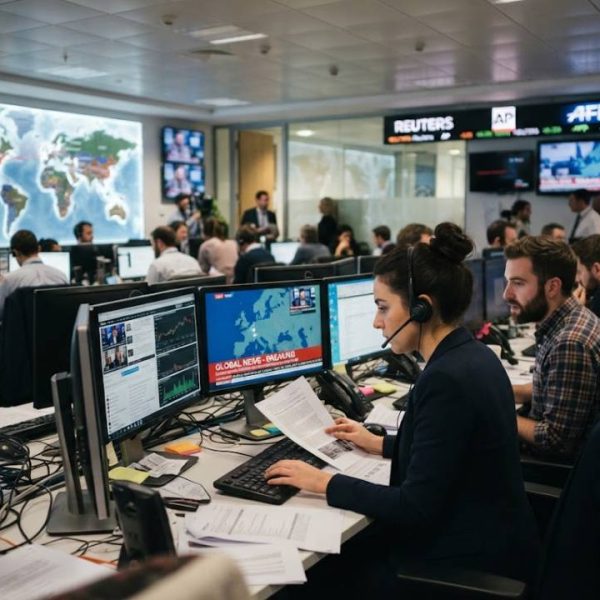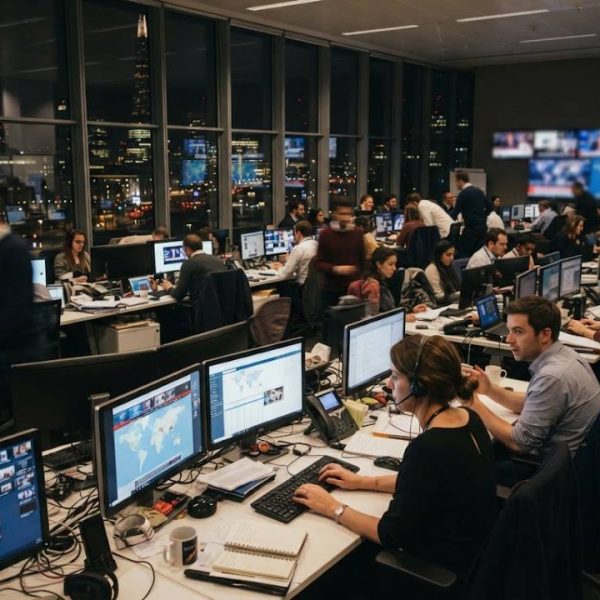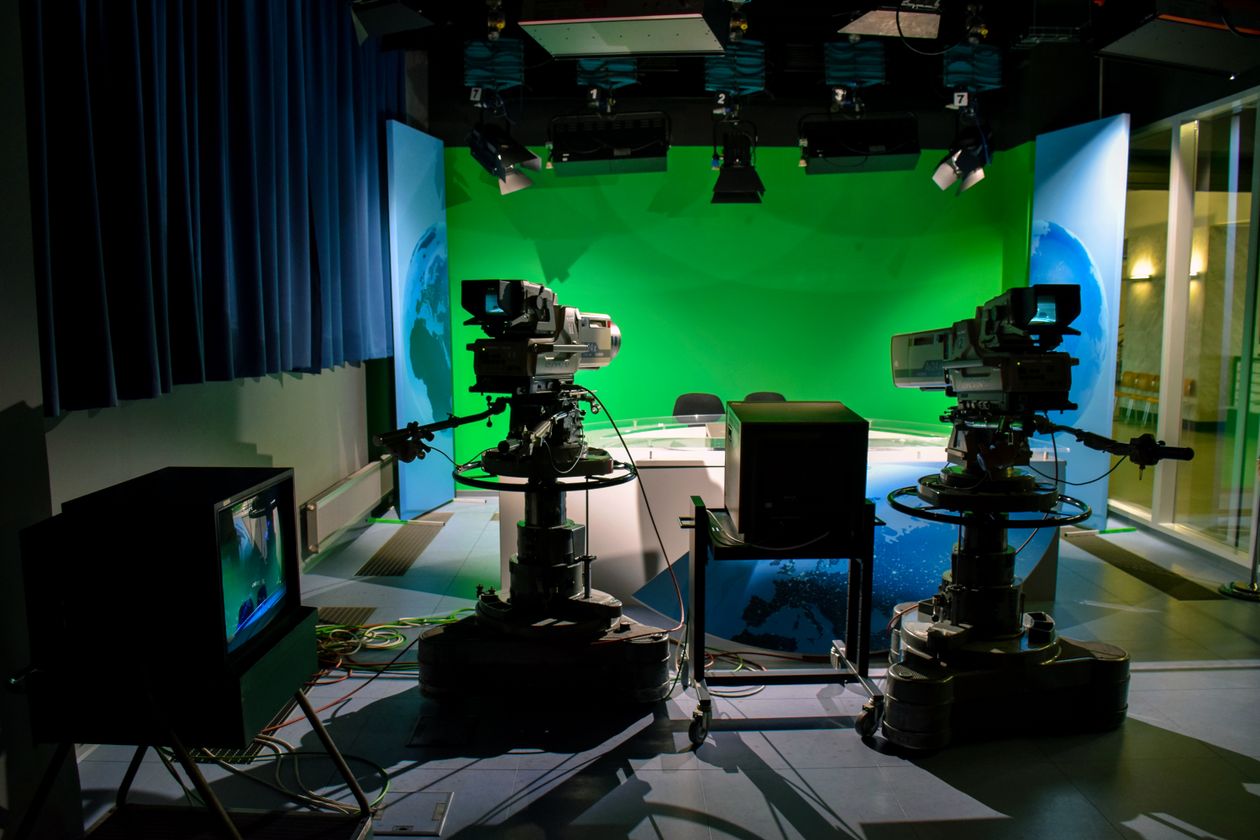
A mid size news network based in Chicago had built its international desk around a small pool of staff correspondents and a rotating list of freelance stringers who could reach a breaking story faster than any competitor. When a fast moving diplomatic crisis broke out overseas the network leaned on remote interpretation to get a live interview with a foreign official onto the air within the hour rather than waiting for a correspondent to physically travel to the scene.
The live segment went smoothly on the surface and the anchor moved on to the next story without incident. It was only during a routine review of the broadcast the following morning that a senior producer fluent in the official's native language noticed the interpreter had softened a specific phrase about troop movements into something far more ambiguous than what the official had actually said on camera.
Nobody on the live production team had caught the discrepancy in real time since none of them spoke the language well enough to verify the interpretation as it happened and the segment had already reached millions of viewers before anyone reviewed the footage closely. The network had to issue a quiet on air clarification days later once the discrepancy became relevant to how other outlets were framing the same story.
That near miss forced the newsroom to confront a gap that had existed for years without anyone treating it as urgent since remote interpretation had always felt reliable enough for routine interviews and nobody had built a process for catching subtle errors before a segment reached air. The senior producer argued that a newsroom which fact checks every written quote before publication had no good reason to skip the same scrutiny for spoken interpretation just because it happened live.
Finding an interpretation provider who understood both the technical vocabulary of military and diplomatic reporting and the pressure of live broadcast timing took real effort since several early candidates were comfortable with routine business interpretation but stumbled on the specialized terminology that comes up during conflict coverage. The network eventually built a standing relationship with a small roster of interpreters who had specific experience with news broadcast environments.
Live Interpretation Needs The Same Scrutiny As Any Other Source
Newsrooms that rely on remote interpretation for breaking coverage often treat it as a solved problem once the segment airs cleanly but a single softened phrase in a live interview can shape how millions of viewers understand a fast moving story before anyone has a chance to correct it. A network that eventually invests in genuine remote interpretation services built specifically for high stakes broadcast work usually does so only after a near miss like the one this Chicago newsroom experienced firsthand.
The network now requires a second interpreter to monitor any live segment involving a sensitive diplomatic or military topic specifically to catch discrepancies between what a source says and what reaches the air in real time rather than relying on a single interpreter working without a safety net during a fast moving broadcast. The second interpreter listens on a private feed and can flag a concern to the control room within seconds if a phrase sounds softened or altered from what the source appears to be saying.
Archived Footage Needs Verified Subtitles Not Just Live Audio
Beyond the live broadcast itself the network discovered that clips from the same interview kept circulating online with auto generated captions that introduced entirely new errors layered on top of whatever had happened during the original interpretation. Building a workflow around genuine subtitling services for any clip pulled from international coverage meant the network could correct the record once rather than chasing down every reposted version with its own separate mistake.
A digital editor on the team said the subtitling review caught more than a dozen small errors across archived international segments in its first month alone since many had been sitting online for months with captions nobody had ever checked against the original spoken words. Some of those clips had been shared thousands of times before anyone noticed the captions no longer matched what the source had actually said on camera.
What Press Freedom Groups Say About Accuracy Under Deadline Pressure
Groups such as the CPJ have long tracked how deadline pressure in international reporting can push accuracy checks to the margins particularly when a newsroom is racing to be first with a live segment rather than making sure every spoken word has been verified before it reaches an audience. That pressure matches almost exactly what this Chicago network experienced once it realized how much of its international coverage depended on a single interpreter with no second check.
Researchers at the Reuters Institute have also noted that audiences increasingly form their understanding of fast moving international stories from short video clips rather than full broadcasts which means a single mistranslated phrase in a clip can spread far beyond the original segment before anyone corrects it.
A Lesson For Newsrooms Covering Fast Moving International Stories
Editors who have never had to rely heavily on remote interpretation often assume that a fluent interpreter and a stable video connection are enough to guarantee accuracy during a live international segment. This newsroom's experience suggests otherwise since a single softened phrase very nearly shaped public understanding of a fast moving diplomatic story before anyone caught the discrepancy.
Building a standing relationship with interpreters who understand both a newsroom's subject matter and the pressure of live broadcast timing tends to pay off once a genuinely sensitive story breaks and there is no time to vet an unfamiliar interpreter under deadline. Providers who already understand the specific vocabulary of conflict and diplomatic coverage catch nuance that a general purpose interpreter working under pressure is far more likely to miss.
The Chicago network now treats interpretation accuracy and subtitle verification as a standing part of its international coverage budget rather than something addressed only after a mistake reaches air. Other newsrooms covering similarly fast moving international stories would do well to build a second layer of verification into live interpretation before a soft phrase becomes the version of events that reaches millions of viewers first.